How I Killed My Mother: A Queer Family Story of Love & Growth
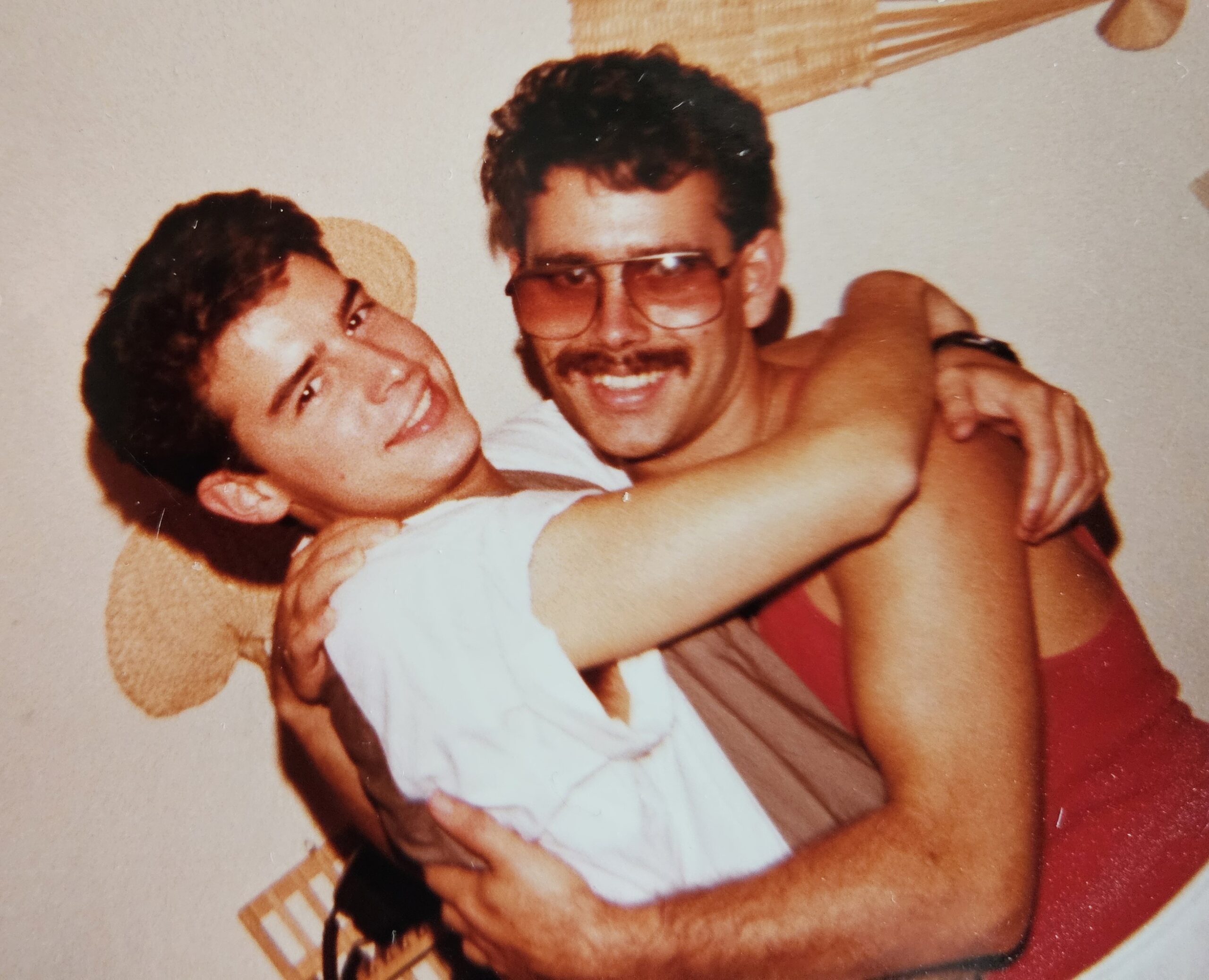
How a Queer Family Podcast Became Something Much More Personal
"a captivating Queer Family Podcast exploring deep LGBTQ family dynamics in 2024"
When I first released How I Killed My Mother in 2024, I thought I knew what it was.
I didn’t.
At the time, it was a collection of stories about my mother, my family, being gay, coming out, relationships, mistakes, death, forgiveness and all the other things that accumulate when you’ve lived long enough to have a past worth arguing with.
And believe me, I had one.
I called the podcast How I Killed My Mother, which certainly got people’s attention.
No, I did not actually kill my mother.
I probably need to keep saying that.
What surprised me wasn’t the title getting attention. What surprised me was that people listened. And they connected with it.
Then something happened that I wasn’t expecting.
The podcast started changing me.
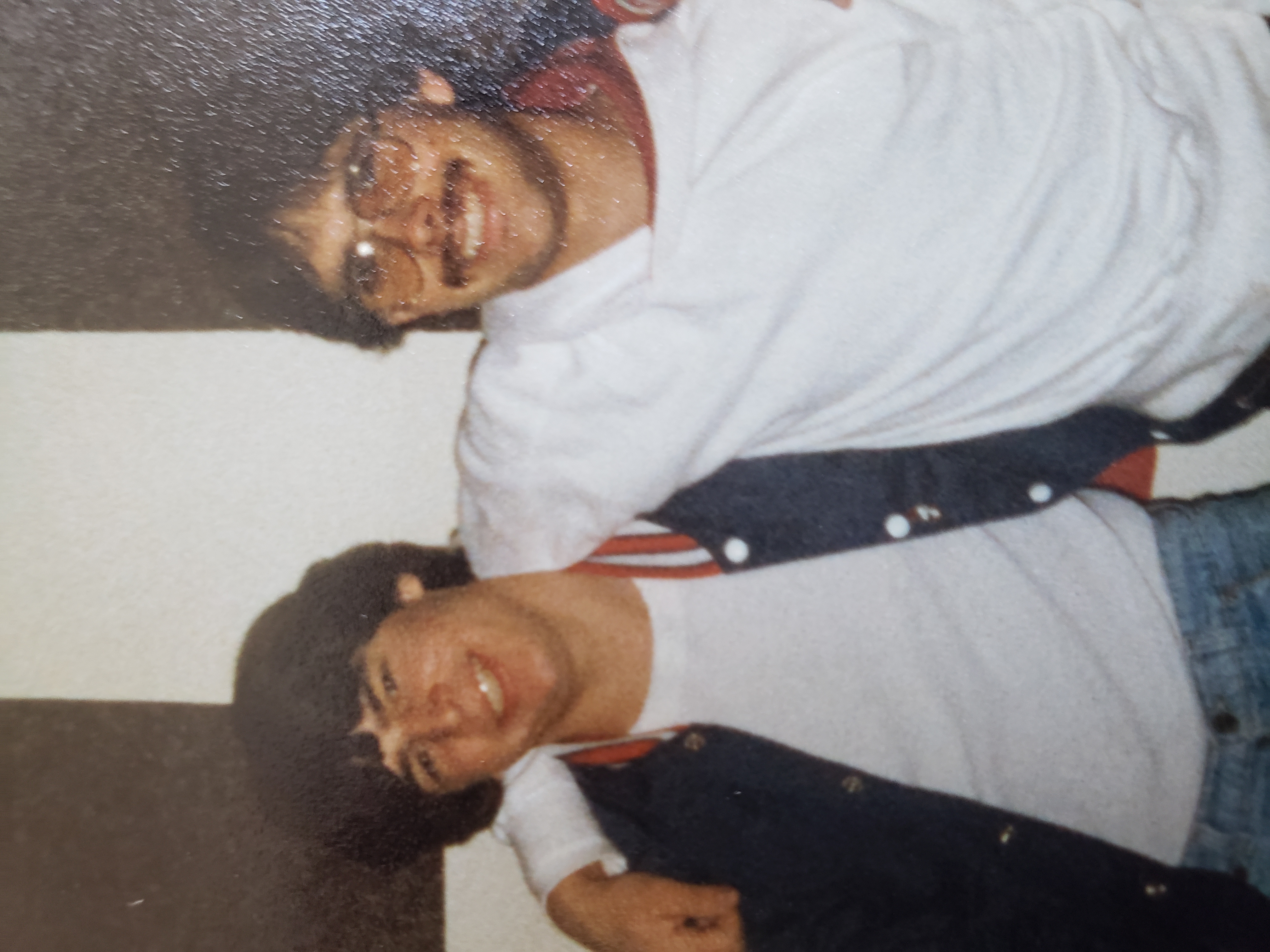
A Title That Intrigues and Provokes
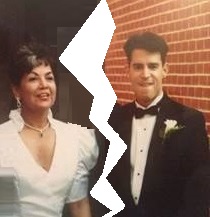
I Thought I Was Telling Stories About My Mother
The original version of How I Killed My Mother was much more episodic. They were stories from my life—some funny, some painful, some very gay, some very family, and some that probably required a cocktail afterward.
My mother was a central character.
But I don’t think I understood yet that I was the story too.
That’s an important distinction.
It’s very easy to write about what someone else did to you.
It’s much harder to ask:
What did I do?
What did I misunderstand?
What did I exaggerate?
What did I carry around for decades because carrying it was easier than examining it?
And what if some of the stories I’d been telling myself about my mother weren’t entirely true anymore?
That became much more interesting to me than simply recounting the past.
Then I Became My Father’s Caregiver
Life has impeccable timing.
While the original podcast was finding an audience, I was caring for my father.
Suddenly I wasn’t sitting comfortably at a microphone analyzing my family.
I was living family.
Caretaking strips away a lot of bullshit.
There are medications. Meals. Appointments. Exhaustion. Fear. Love. Resentment. Guilt. Laundry.
So much laundry.
And somewhere in that experience, while taking care of Dad and thinking about Mom, I began to understand that How I Killed My Mother wasn’t finished.
In fact, I had barely started it.
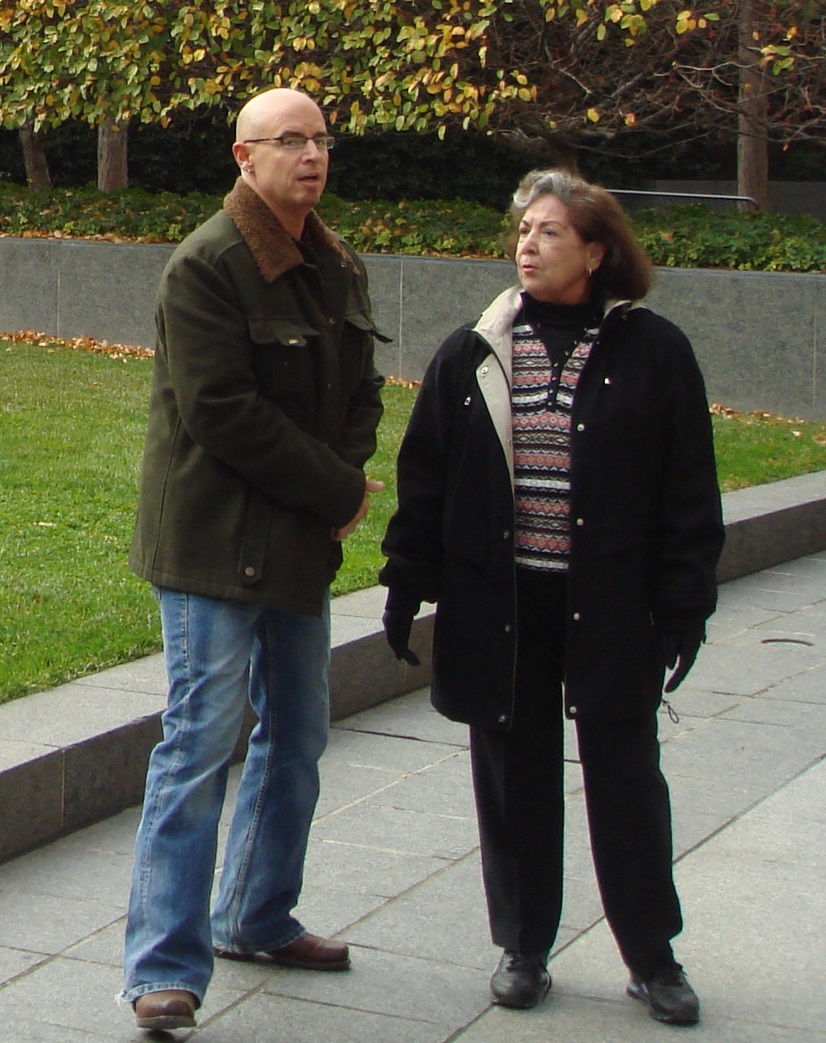

A podcast about guilt, caregiving, forgiveness…and discovering that sometimes surviving your family is the beginning of finding yourself.
So I Wrote the Book
And that’s when things really changed.
Writing the book forced me to go deeper than the original podcast had gone.
I wasn’t interested anymore in simply telling entertaining stories about my mother.
I wanted to understand our relationship.
More importantly, I wanted to understand my part in it.
That’s where the personal growth came from.
Not because I sat down and announced, “Today I shall experience personal growth.”
Please.
It happened because the deeper I went into our history, the harder it became to maintain some of my old conclusions.
I began seeing my mother differently.
I began seeing my father differently.
I began seeing former lovers differently.
Eventually, annoyingly, I had to see myself differently.
That’s the problem with self-awareness.
Once you see something, you can’t very easily unsee it.
Exploring the Layers of Queer Family Life
Yes, This Is a Queer Family Story
Being gay absolutely shaped my relationship with my family.
How could it not?
I grew up in a different time. I dated girls before I dated boys. I came out. I reinvented myself. I fell in love. I got my heart broken. I broke a few hearts myself.
My parents had their expectations for my life.
I had mine.
Sometimes those two things collided spectacularly.
So yes, How I Killed My Mother belongs in conversations about queer families and LGBTQ stories.
But I’ve come to believe that the most interesting parts of my story aren’t exclusively gay.
They’re human.
Did my parents love me—or the person they thought I was?
How much of my adult life was spent trying to prove something to them?
How much of our childhood do we remember accurately?
Can we forgive our parents without pretending they didn’t hurt us?
Can we admit that we hurt them too?
And what happens when the person you’re finally ready to understand is already dead?
Those questions don’t require a membership card.
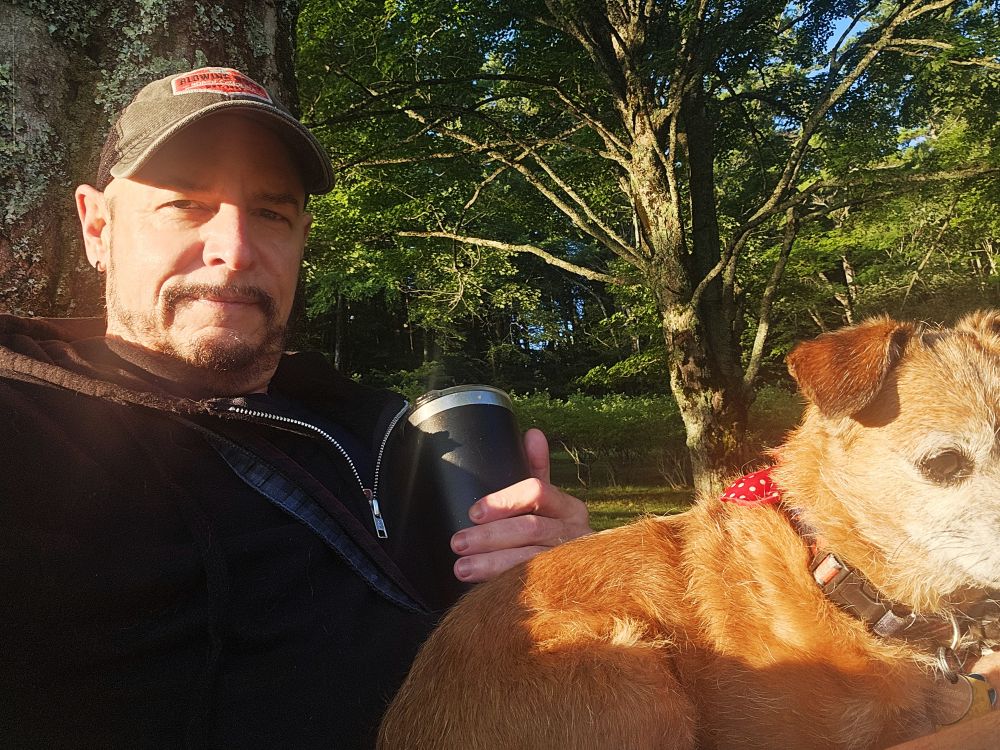
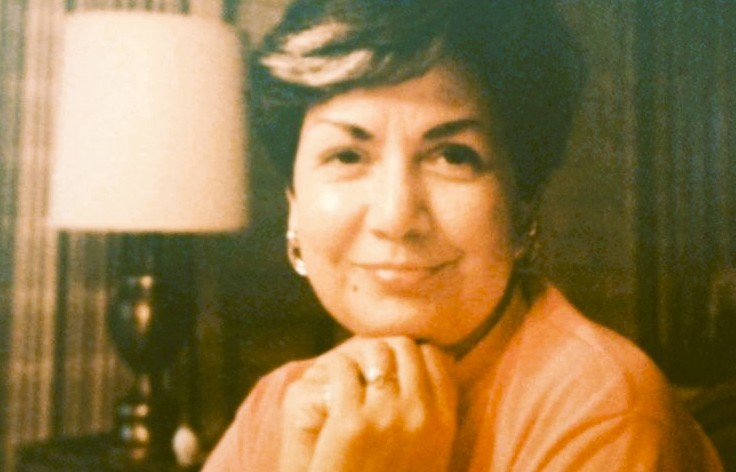
My Relationship With Mom Didn’t End When She Died
This is where some people may decide I’ve gone completely off the rails.
That’s okay.
It won’t be the first time.
I believe my relationship with my mother continued after her death.
I believe she has put people back into my life at exactly the moments I needed them. I believe she helped bring old loves back across my path so I could finally understand that they weren’t necessarily “the ones who got away.”
They were teachers.
Wonderful ones.
Painful ones.
Sometimes ridiculously handsome ones.
But teachers.
Reconnecting with people from my past allowed me to finish relationships emotionally that I had left unfinished for decades.
Whether you believe my mother had anything to do with that is entirely up to you.
I do.
And it’s part of the story.
The Podcast Had to Be Reborn
Eventually I realized I couldn’t simply update the old podcast.
I had changed too much.
The book had changed the story too much.
So I went back into the recording booth and recorded How I Killed My Mother again.
Twenty-four episodes.
A separate podcast channel.
New branding.
A dedicated website.
And a story that finally had the depth I hadn’t known how to give it the first time.
The original version was about things that happened to me.
The new How I Killed My Mother is much more about what those things meant.
That’s the podcast I wanted to make.
I just didn’t know it in 2024.

Maybe That’s the Real Story
For years, I thought personal growth meant becoming someone new.
Now I’m not so sure.
Maybe it’s recognizing the stories you’ve been carrying around and finally being willing to ask whether they’re still true.
My mother and I loved each other.
We hurt each other.
We misunderstood each other.
We disappointed each other.
And after she died, I finally started having some of the conversations with her—and with myself—that I probably should have had while she was alive.
That’s How I Killed My Mother.
It’s a queer family story.
It’s a mother-and-son story.
It’s a story about death and whatever might come afterward.
But more than anything, it’s about looking backward honestly enough that you don’t have to keep living there.
And apparently it took me two versions of a podcast, a book, and more than six decades to figure that out.
Better late than never.
Keep Climbing!
My mom says, hello.
More From How I Killed My Mother
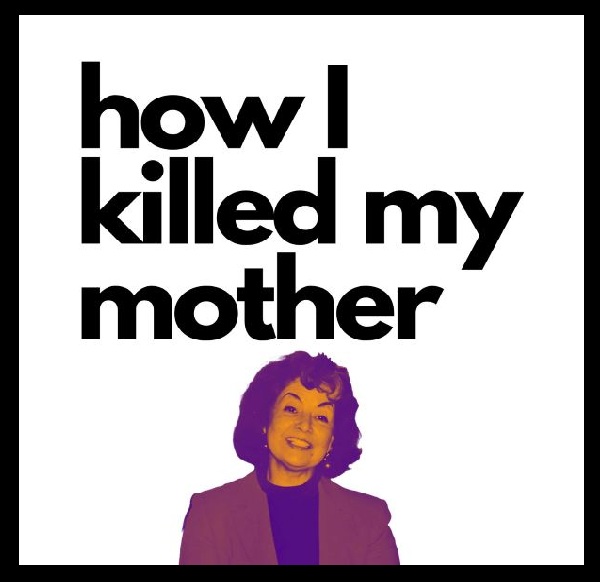
How I Killed My Mother is my memoir podcast about family, forgiveness, identity, humor, grief, caregiving, spirituality and the uncomfortable discovery that our parents sometimes make more sense after we begin repeating their mistakes.
Listen to the podcast and join my mailing list at HowIKilledMyMother.com for new stories, bonus material and updates about the upcoming memoir.
And ask yourself:
What did you once hate about your parents—only to hear yourself saying or doing the exact same thing years later?
Explore More
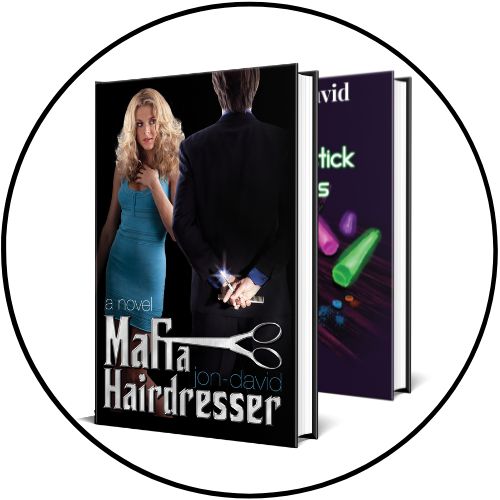
Novels by Jon-David
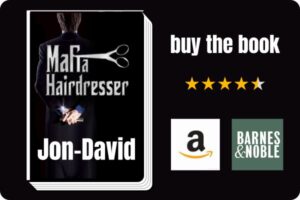
Discover the compelling stories of the Mafia Hairdresser in our exclusive book collection.

Jon-David & Goliath True Crime Podcast (Season 3)
5-part Series about corporate fraud that cost this author/hairdresser his savings, him home, and career. 2024 Podcast
Season 1 & 2 The Mafia Hairdresser Chronicles
Dive into the heart of Southern California during the flashy 1980s with our Comedy Serial Podcast